Anchor Away
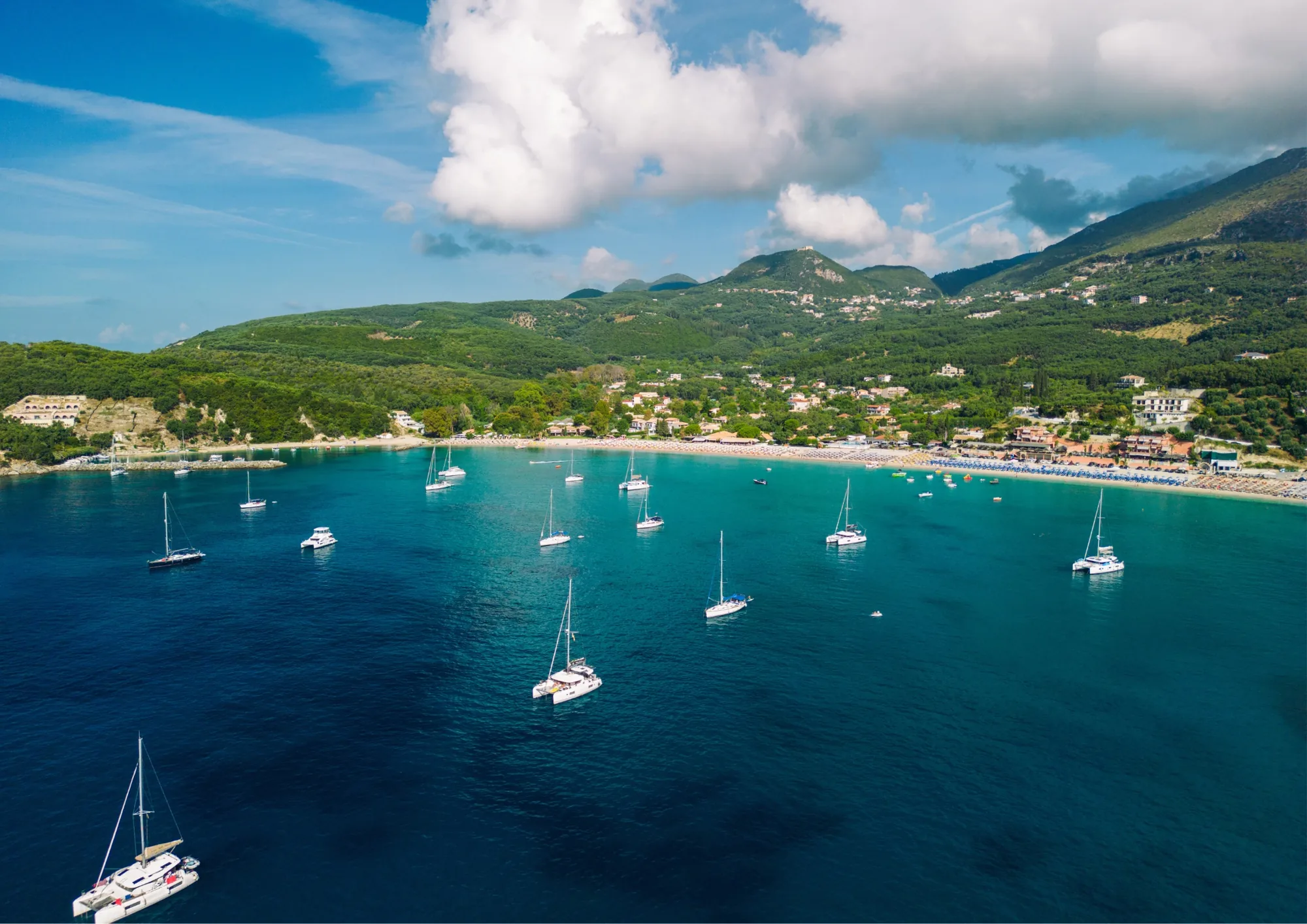
A quiet phenomenon is spreading across Europe’s sailing world from one coast to another, yet many people still pretend not to see it, or prefer to dress it up with the word “sustainability”. Free anchoring areas are gradually being converted into paid mooring zones, filled with supposedly environmentally friendly buoys presented as the great solution for protecting the seabed, seagrass meadows and coastal ecosystems. The narrative is attractive, almost beyond criticism. The problem is that, in practice, precisely the opposite is often happening.
These buoys, frequently poorly designed, badly installed and inadequately maintained, are damaging the seabed, destroying seagrass meadows and concentrating environmental pressure within a limited area. Where anchoring was once naturally dispersed, there is now continuous and repeated pressure, day after day, always on the same points. The seabed is given no opportunity to recover, the seagrass cannot regenerate, and the environmental argument too often serves merely to justify charging a fee.
Yet the greatest damage may not be environmental. It is cultural. It is conceptual. Little by little, we are destroying the very idea of Free Cruising. That almost foundational principle of European recreational sailing: to navigate, choose a bay, anchor responsibly and spend a peaceful night without ticket offices, bureaucratic obstacles or floating payment terminals. Today, you pay to stay in a marina. You pay to use a buoy. You pay to anchor in a bay that has always belonged to everyone.
The sea is beginning to require an admission ticket. And that changes everything.
This is not a local phenomenon, nor is it merely a Mediterranean eccentricity. It is happening throughout Europe. From Spain to France, from Italy to Croatia, from Greece to the Baltic, the logic is the same: transform free space into a commercial product and place a green label on it so that nobody makes too many waves. The result is entirely predictable. Sailors begin to calculate the cost. And when the calculations become excessive, people begin to stay at home.
While the official narrative speaks of growth, modernisation and sustainable tourism, the reality is far less flattering. In several parts of the world, recreational boating is stagnating. It may not be growing, but neither is it collapsing. In Europe, however, it is falling sharply. Fewer new boats, fewer young people entering the sailing world, less independent cruising and less life outside marinas. Everything is more expensive, more regulated and more standardised.
The current model is simple and dangerously short-sighted. When people are required to pay to stay in a marina and also required to pay to remain at anchor or attached to a buoy in a natural bay, the likely response is not adaptation. It is withdrawal. This is not rebellion. It is arithmetic. Leisure is the first expense to be abandoned when it no longer makes economic or emotional sense.
Unless this policy is seriously reconsidered, not only from an environmental perspective but also from a social, cultural and economic one, the result will be the silent collapse of an entire ecosystem connected to recreational boating. Fewer sailors mean fewer boatyards, fewer sailing schools, fewer marine technicians, less maintenance and less income for coastal communities. The sea will still be there. The buoys will still be there. But there may be almost nobody left sailing between them.
And that, ironically, will be anything but sustainable.