From Gibraltar to Turkey in Three Weeks: A Fast Passage Across the Mediterranean
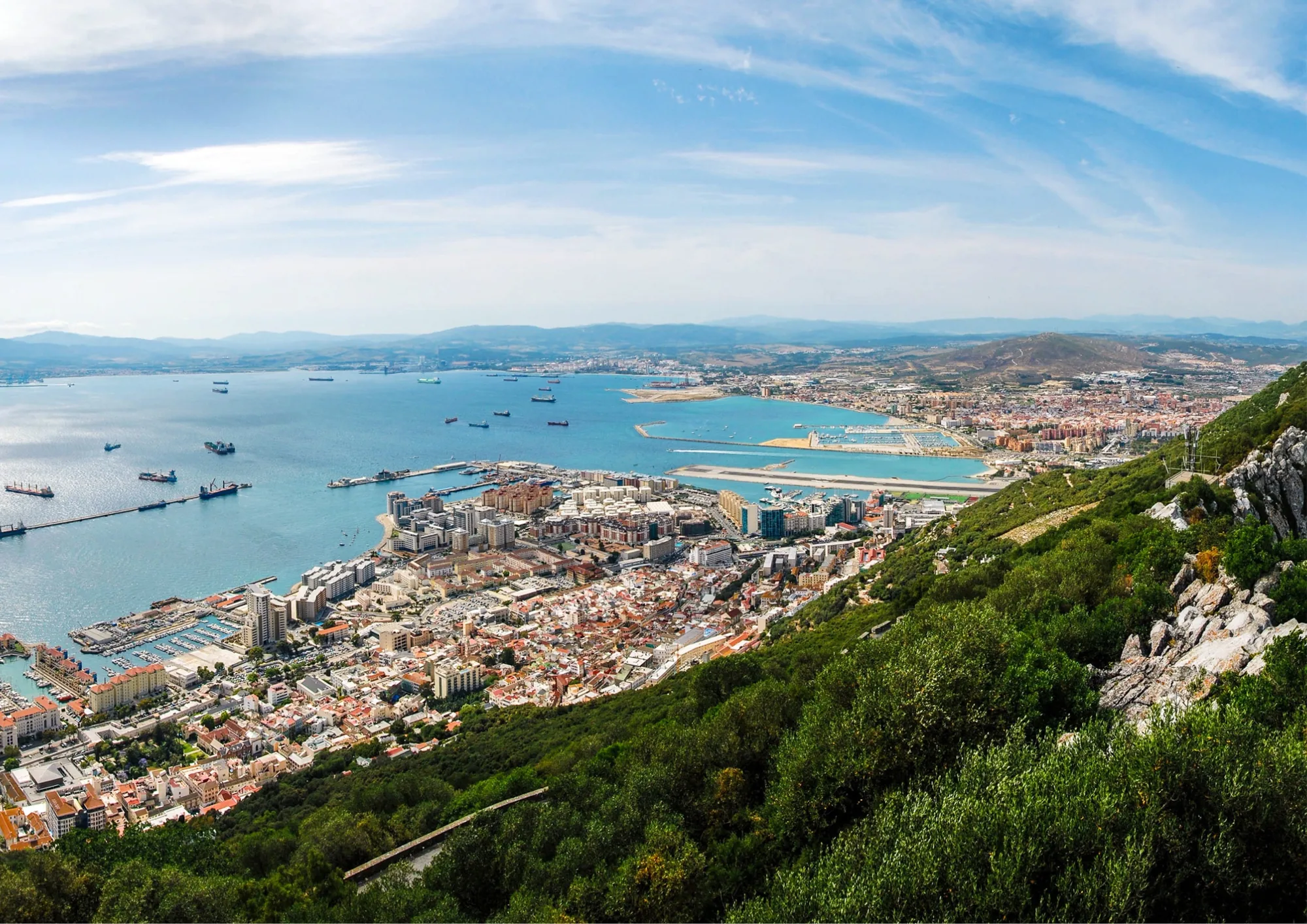
Entering the Mediterranean through the Strait of Gibraltar means leaving behind the long Atlantic swell and sailing into a sea that appears calmer, but is far more unpredictable than it looks. The coastline is nearly always within reach, ports and anchorages are plentiful, and summer promises sunshine, warm weather and clear water. However, the Mediterranean can also bring prolonged calms, sudden thunderstorms and powerful regional winds capable of completely disrupting any passage plan.
Sailing from Gibraltar to Turkey in only three weeks is possible, but it requires a realistic approach. This will not be a leisurely holiday cruise dictated by beaches and secluded coves. It will be a fast passage, closer to a professional yacht delivery, involving several consecutive days and nights at sea.
The most direct and practical route would be:
Gibraltar – Cartagena – Cagliari – Syracuse – Monemvasia – Rhodes – Marmaris
The total distance will be approximately 1,700 to 1,850 nautical miles, depending on weather conditions, any necessary diversions and the ports selected. On a 40 to 45- foot cruising yacht maintaining a genuine average speed of 5.5 to 6 knots, the crew should expect around 13 to 15 full days of sailing, in addition to stops for rest, refuelling, provisioning and minor repairs.
The first leg, from Gibraltar to Cartagena, covers approximately 230 nautical miles. The passage through the Strait must be carefully coordinated with the current, tide, wind and intense commercial traffic. A strong easterly Levante can make the departure particularly uncomfortable and may justify waiting for one or two days.
After a short stop in Cartagena, the voyage continues to Cagliari, in Sardinia, covering approximately 480 to 500 nautical miles. This will involve three or four days of continuous sailing, depending on the yacht’s speed and the availability of wind. It will be one of the most demanding legs of the entire passage and should only be started with a sufficiently stable weather window.
From Cagliari, the yacht proceeds to Syracuse, in Sicily, on a leg of approximately 300 to 320 nautical miles. Syracuse is an excellent place to rest, replenish supplies and prepare for the crossing to Greece. The following leg to Monemvasia will cover around 360 to 380 nautical miles and will once again require two or three days at sea.
From Monemvasia, all that remains is to cross the Aegean Sea towards Rhodes. The principal consideration here will be the Meltemi, which can blow for several consecutive days at Force 6 or 7 during July and August, particularly through the Cyclades. Sailing east or south-east will generally be favourable, but gusts close to the islands can be considerably stronger than the forecast wind.
The final leg from Rhodes to Marmaris is short, covering just over 20 nautical miles.
Arrival in Turkey will, however, involve entry formalities, inspection of the relevant documentation and obtaining the required Transit Log.
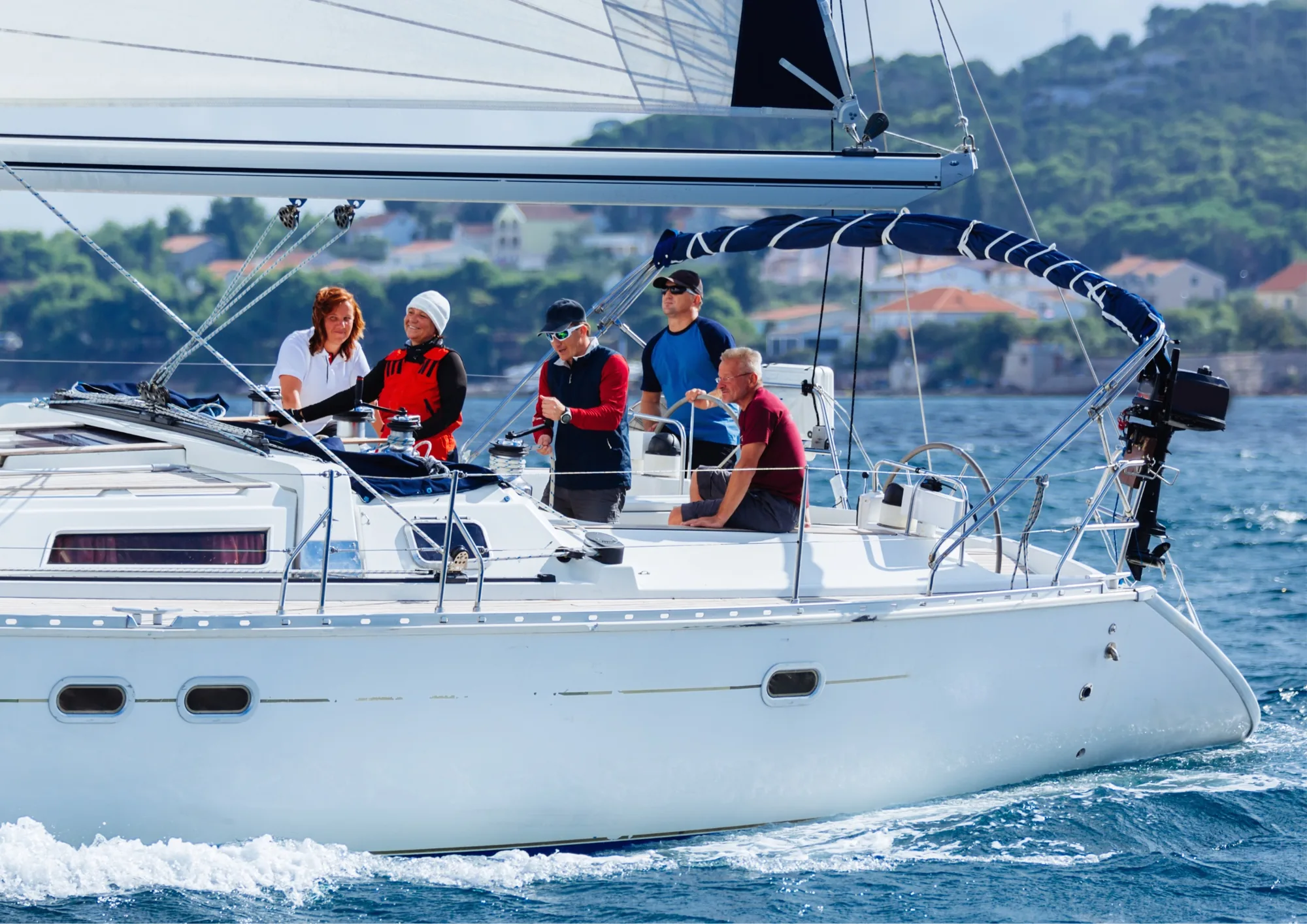
This passage should be undertaken with a minimum crew of three people who are genuinely capable of standing night watches. Four crew members would be considerably more comfortable and safer. The autopilot must be in excellent condition, as must the engine, electrical system, bilge pumps, rigging, anchor windlass, navigation equipment and communications systems.
It will also be necessary to accept that the engine may have to be used during periods of calm. With only three weeks available, waiting indefinitely for the wind may mean failing to reach Turkey within the available time.
The final two or three days should be kept free as a weather margin. A strong Levante in Gibraltar, a Mistral near Sardinia or several days of Meltemi in the Aegean could ruin an excessively tight schedule.
This is a voyage for those who enjoy the passage itself: night watches, improvised meals, sunrises at sea and the feeling of making progress every day. In three weeks, it is possible to cross the Mediterranean, but not truly to know it. You will see a great deal of open water, a few ports and, with luck, enough to make you want to return with considerably more time.