Five Essential Knots Every Sailor Should Know
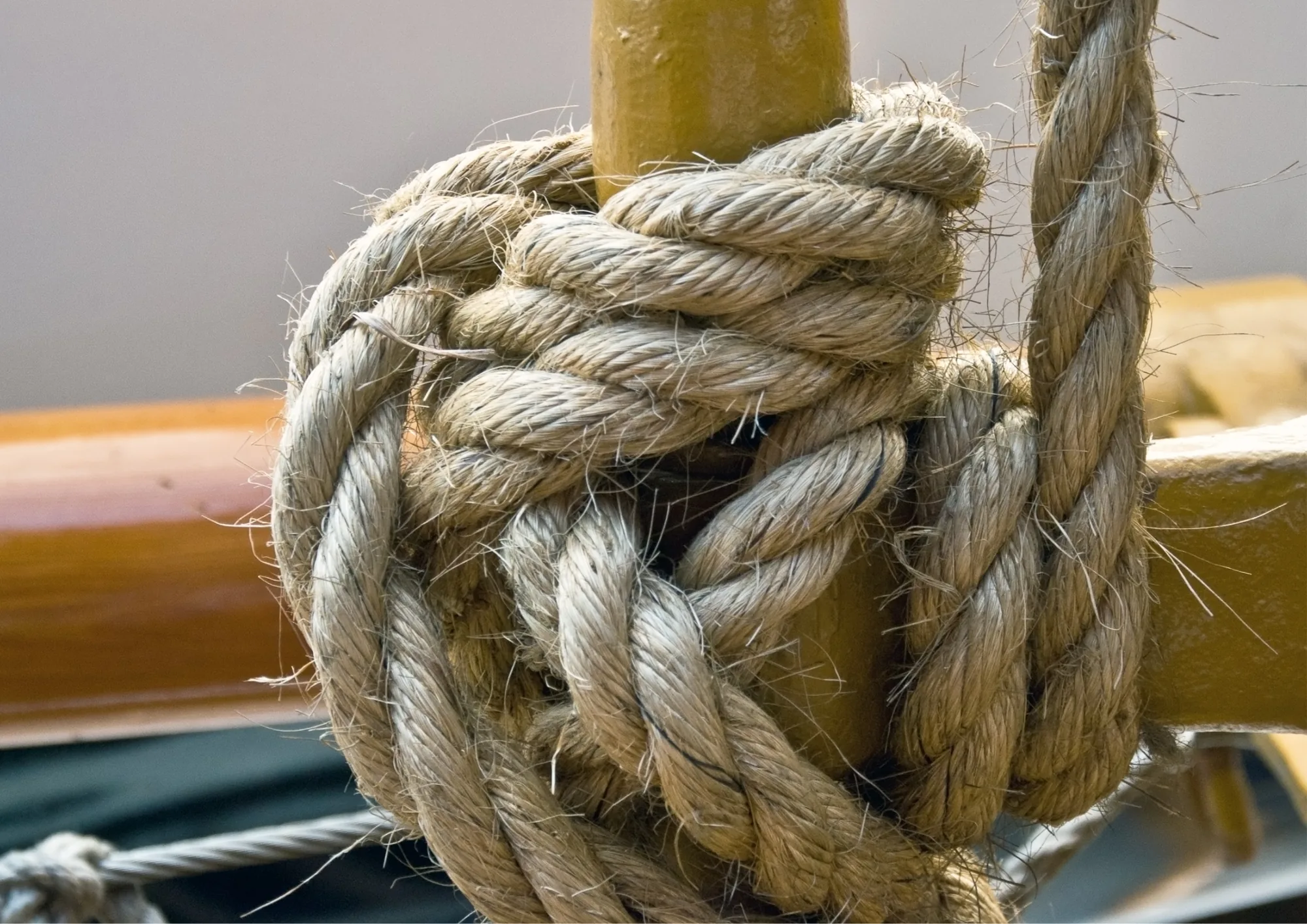
Every sailor should know a few knots properly. Not roughly. Not “I think this is right”. Properly.
A good knot must hold, suit the job and be easy to untie when the load comes off. On board, that matters.
The Bowline
The bowline creates a fixed loop that does not slip. It is one of the most useful knots at sea and is often used to attach sheets, secure lines or make a reliable loop. If you learn only one sailing knot, learn this one.
The Reef Knot
The reef knot joins two ends of similar rope and is traditionally used when reefing sails. It is simple and neat, but it must not be used for heavy or critical loads. Seamanship is not only knowing the knot. It is knowing when not to use it.
The Figure of Eight
The figure of eight is a stopper knot. It prevents a line from running out through a block, clutch or fairlead. It takes seconds to tie and can prevent unnecessary chaos in the cockpit.
The Clove Hitch
The clove hitch is quick and useful for securing fenders or making a temporary line fast to a rail or post. It is practical, adjustable and easy to untie, but should not be trusted blindly for critical loads.
Cleat Hitch
Making a line fast to a cleat is one of the basic skills of boat handling. A proper cleat hitch is secure, tidy and easy to release. A bad one slips, jams or looks like a small rope disaster.
At Sailink.org, we believe good crew are built through practice, patience and willingness to learn.
Knots are not decoration. They are seamanship in its simplest form.
Learn them before you need them.