From Gibraltar to Turkey in Two Months: A Great Voyage with Time to Breathe
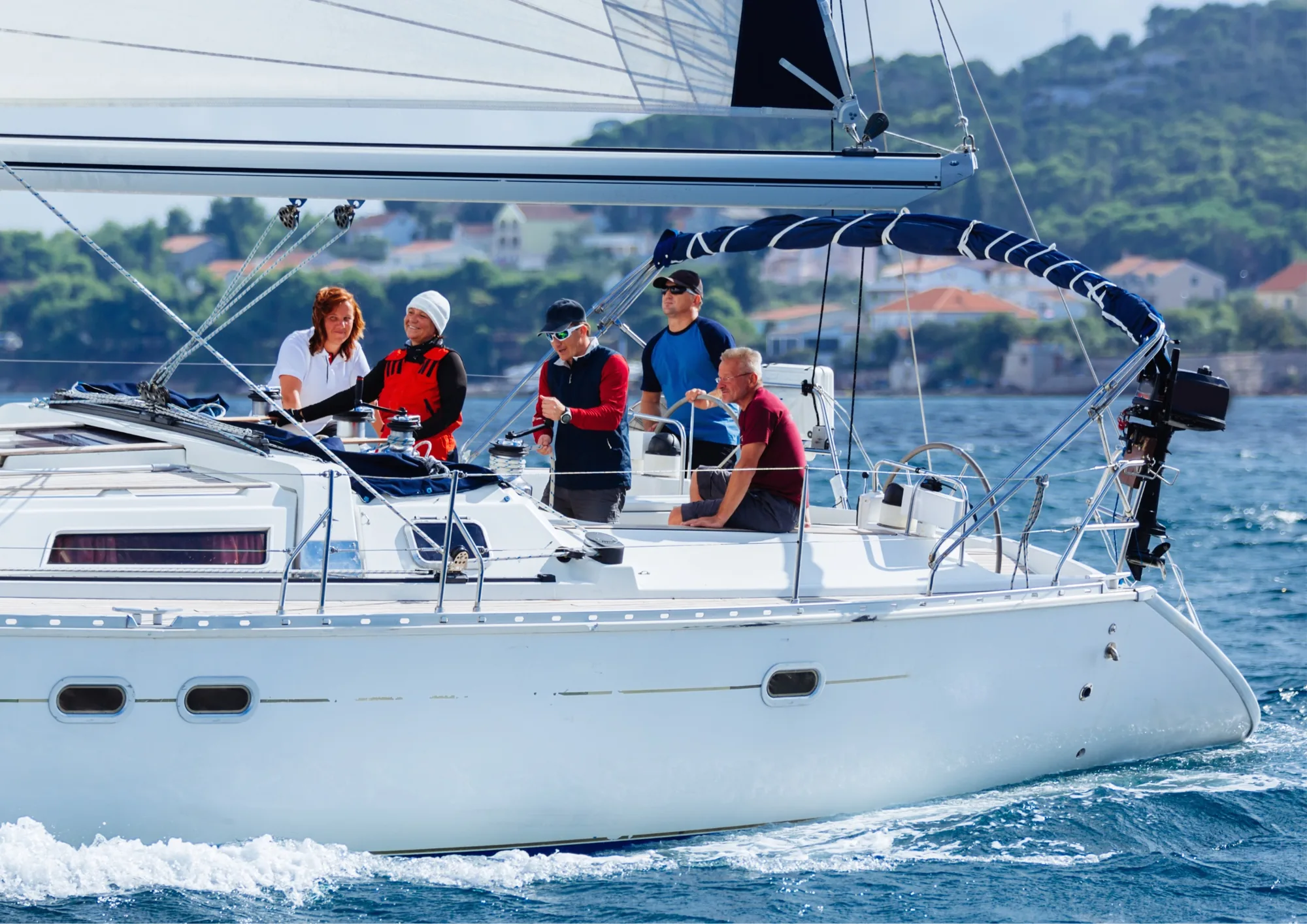
Two months make it possible to transform a Mediterranean crossing into a genuine summer voyage. It will still be necessary to sail regularly and complete several long passages, but there will be time to discover the islands, remain at anchor, rest, deal with repairs and wait for favourable weather conditions.
The route could follow:
Gibraltar – Málaga – Cabo de Gata – Cartagena – Ibiza – Formentera – Majorca – Menorca – Sardinia – Sicily – Aeolian Islands – Syracuse – Corfu – Lefkada – Ithaca – Monemvasia – Saronic Gulf – Cyclades – Dodecanese – Marmaris
The complete route will cover approximately 2,100 to 2,400 nautical miles. The voyage will remain demanding, but it will already be possible to alternate four or five sailing days each week with periods of rest and exploration ashore.
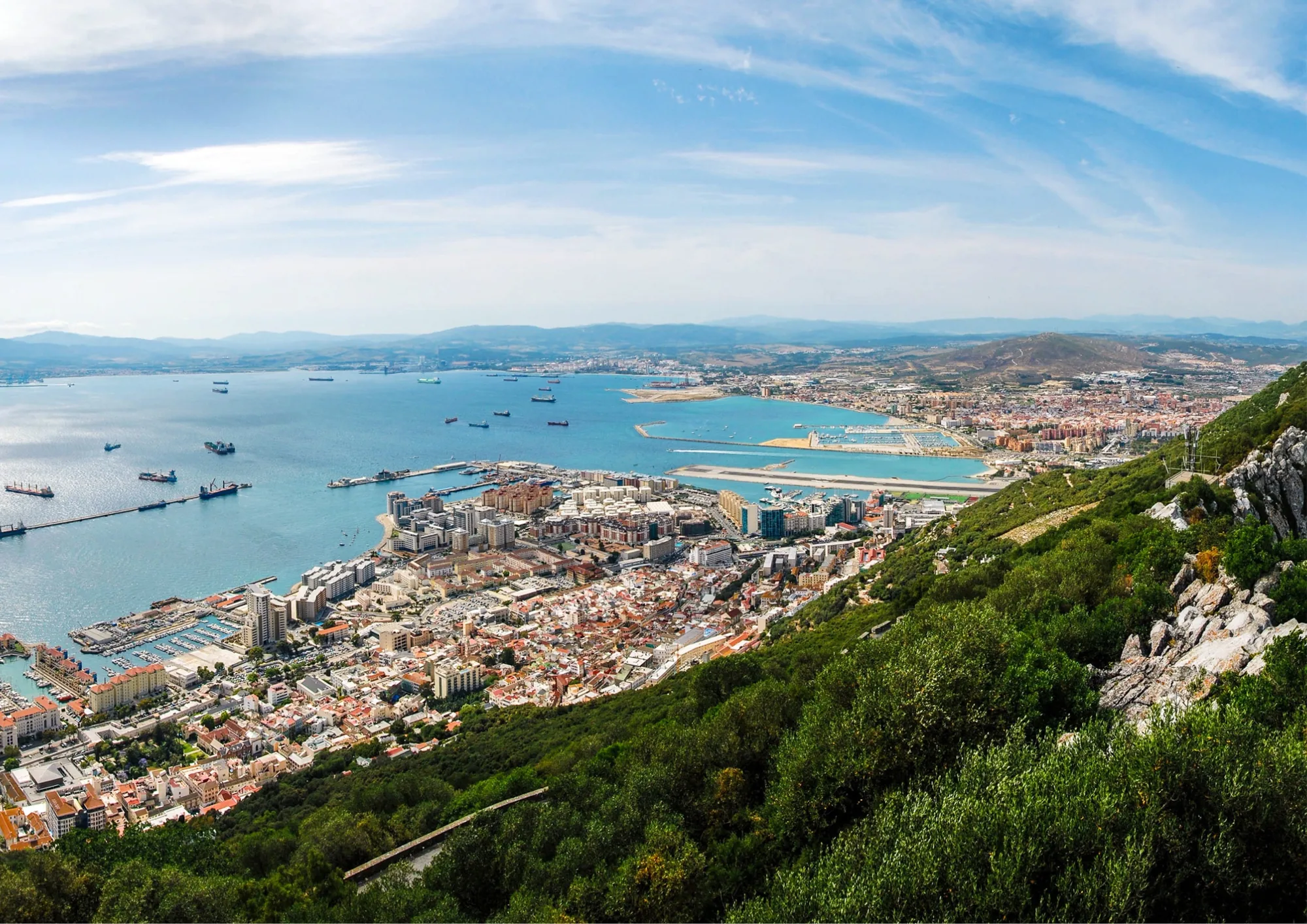
The first week should be devoted to entering the Mediterranean and sailing along the Andalusian coast. After Gibraltar, the route can continue towards Málaga, Almerimar, Cabo de Gata and Cartagena. These are relatively short legs, suitable for allowing the crew to adapt to the yacht, test the equipment and correct the inevitable minor problems that only reveal themselves after the mooring lines have been cast off.
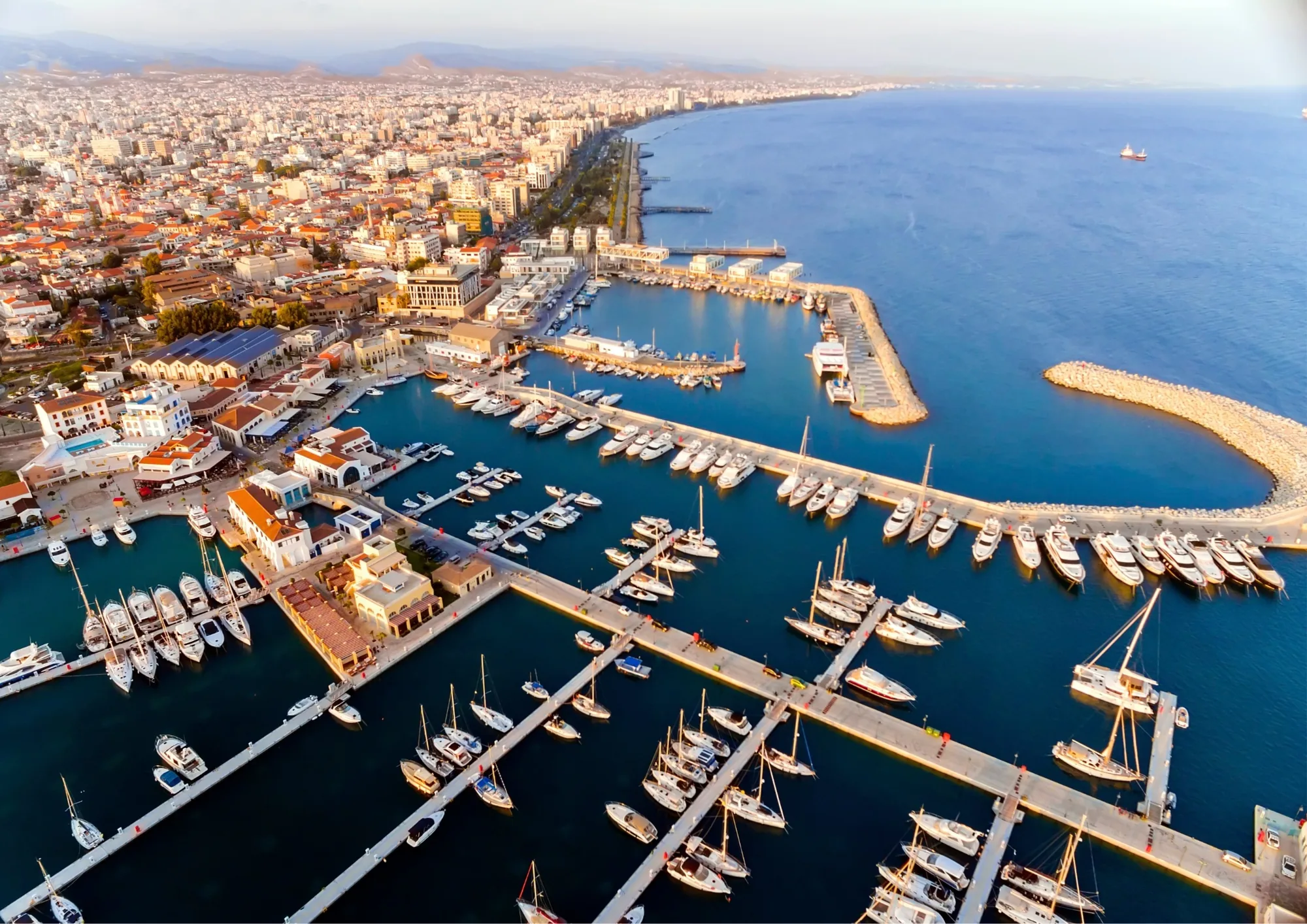
The second week can be dedicated to the Balearic Islands. From Cartagena, the yacht can sail directly to Ibiza or Formentera. For the first time, there will be enough time to anchor, swim, explore a few coves and spend two or three days without moving on. During the height of summer, however, the Balearic Islands are extremely busy. Marina berths should be booked in advance, and anchoring must respect the areas established for the protection of Posidonia seagrass.
During the third week, the voyage continues through Majorca and Menorca. Mahón provides an excellent harbour in which to rest and replenish supplies before the crossing to Sardinia. This passage, covering approximately 200 to 240 nautical miles, should only be undertaken with a stable weather window, paying particular attention to the possibility of a Mistral.
The fourth week can be spent in Sardinia. Depending on the available time, the yacht may follow the southern coast through Carloforte, Cagliari and Villasimius, or make a longer diversion through the Strait of Bonifacio and the La Maddalena Archipelago. The second option adds considerably to the distance, but offers some of the clearest water and most impressive landscapes anywhere in the Mediterranean.
During the fifth week, the route proceeds towards Sicily. The Aegadian Islands, Trapani and Palermo can be used as stopping points before continuing to the Aeolian Islands. Vulcano, Lipari and Stromboli fully justify the diversion. Sailing past Stromboli at night, watching the volcano illuminate the sky, is one of those experiences that helps the crew forget the many hours spent repairing pumps, cables, taps and all the other things aboard a sailing yacht that appear to develop personalities of their own.
The passage through the Strait of Messina requires close attention to currents, ferries and commercial traffic. After rounding the eastern coast of Sicily, Syracuse is the ideal place to rest and prepare for the crossing to Greece.
The sixth week begins with the passage to the Ionian Sea. The crossing from Syracuse to Corfu covers approximately 270 nautical miles. Alternatively, a stop can be made on the Italian coast, although this will add to the total distance.
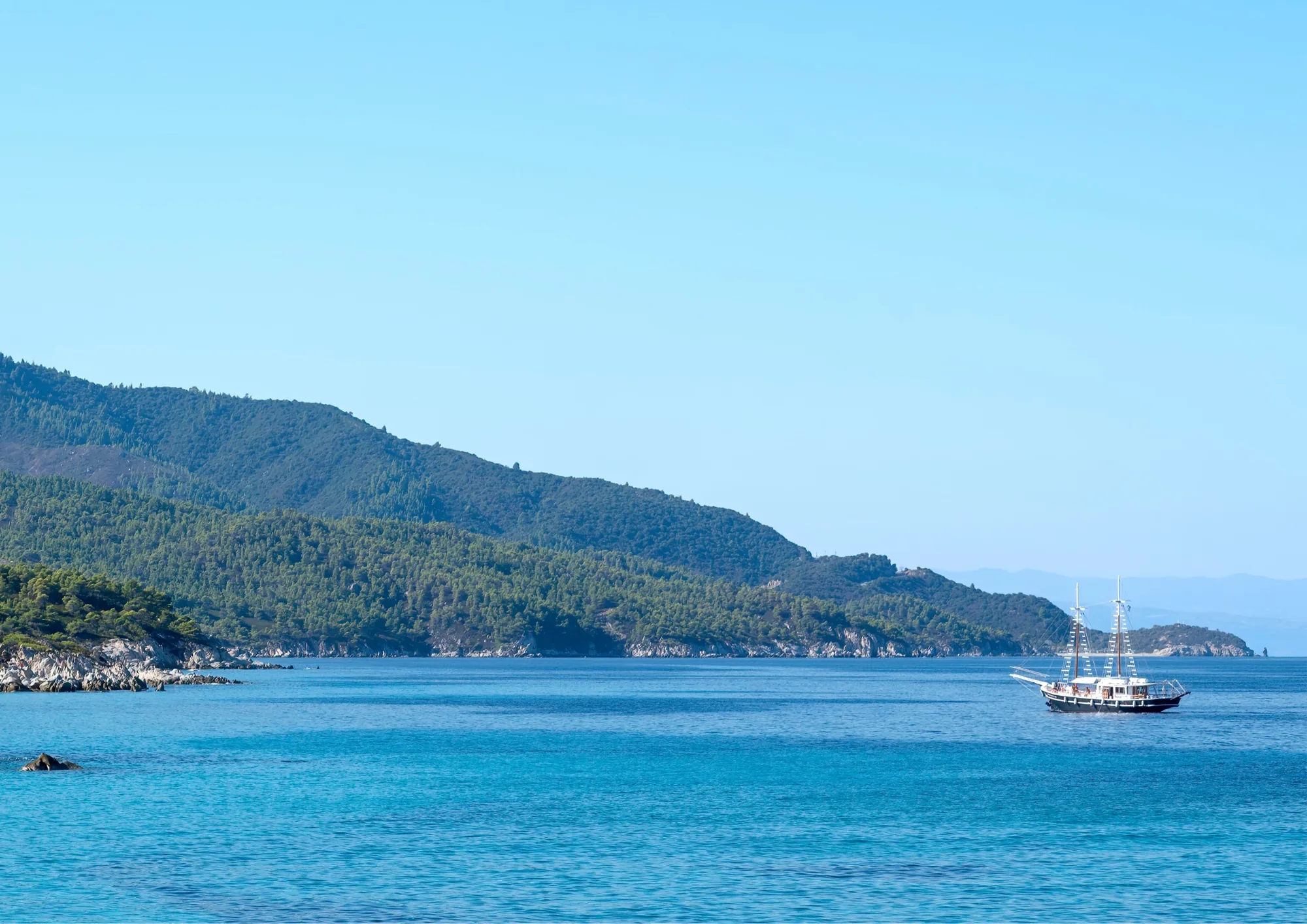
Corfu, Paxos, Lefkada and Ithaca offer some of the finest cruising grounds in the Mediterranean. Distances are short, sheltered anchorages are plentiful, and sailing conditions are generally less demanding than in the Cyclades. This is a good opportunity to reduce the pace and properly enjoy both the yacht and the sea.
The seventh week can be devoted to the Peloponnese. The route may pass through Zakynthos, around the south of the peninsula, onwards to Monemvasia and through the Saronic Gulf. From there, the yacht rounds Cape Sounion and enters the Aegean Sea.
During the eighth and final week, the voyage continues through the Cyclades and the Dodecanese. Milos, Paros, Astypalaia, Kos and Rhodes form a relatively natural sequence towards the Turkish coast. The route will, however, need to be adapted to the Meltemi. In the Aegean, fixing every port and date in advance is an elegant way of creating a plan that the wind will rapidly set about destroying.
Before entering Greek waters, the applicability of the TEPAI cruising tax should be checked and all documentation relating to the yacht and crew must be in order. On arrival in Turkey, the crew will need to comply with the entry formalities, present the yacht’s documents and obtain the relevant Transit Log.
A two-month voyage makes it possible to experience several different Mediterraneans: the Spanish coast, the Balearic Islands, Sardinia, Sicily, the Ionian Sea, the Aegean and, finally, the Turkish coast. There will still be demanding legs and several overnight passages, but it will already be possible to stop when you find an island, harbour or anchorage that you simply do not wish to leave.
Naturally, two months are not enough to see everything. But by then, you are no longer merely crossing the Mediterranean. You are beginning to live it.