Practical Guide: How to Enter Different Countries When Crossing the Atlantic
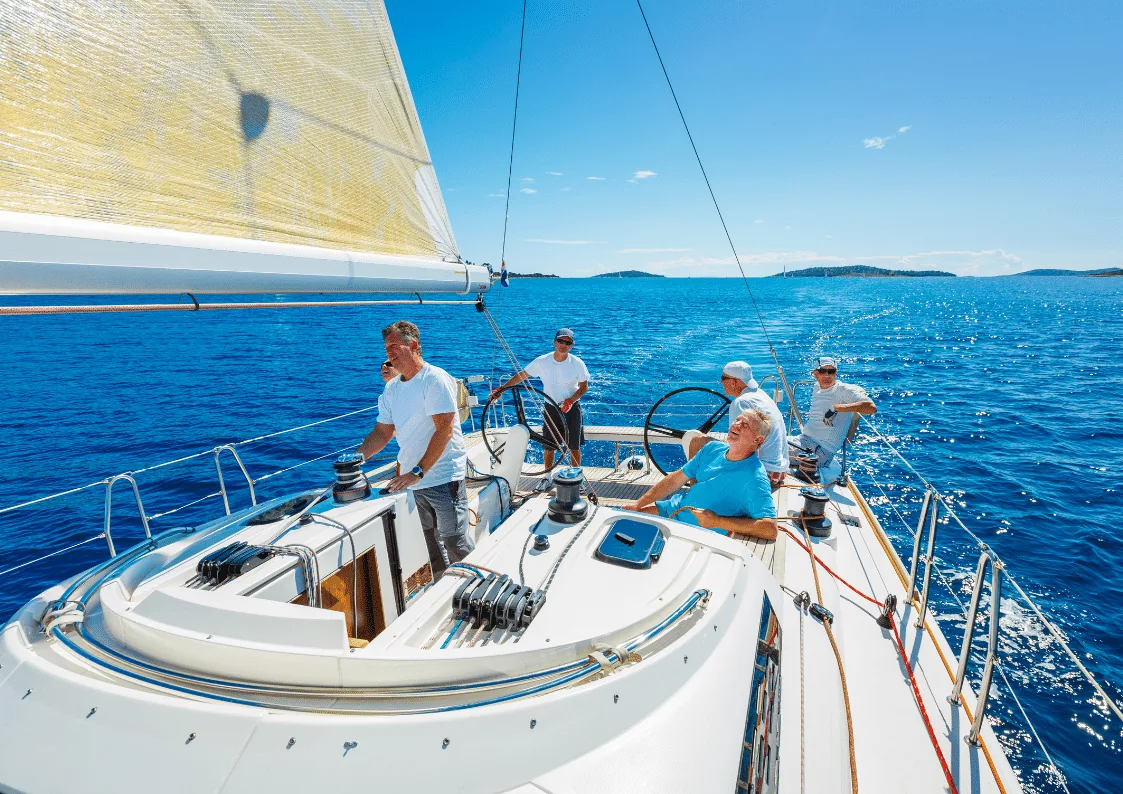
I start by sending a warm hug to everyone, setting a course west. Lucky you.
This isn’t a legal information note; it’s a collection of practical tips to make life easier for anyone crossing the Atlantic at this time of year. Paperwork is tiring, rules shift from port to port, and when fatigue kicks in, even the simplest counter can feel like a fortress.
Breathe.
Gather your documents calmly.
Hoist the Q flag — it costs nothing.
And remember: a smile opens doors everywhere in the world.
Below you’ll find straightforward suggestions, step-by-step ideas, reminders of what’s worth declaring, and small tricks that save time and nerves on arrival.
Treat it as a cockpit companion, or a simple trip mojo: label your folders, confirm ports of entry before you cast off, and whenever in doubt, ask.
That’s what the authorities are there for.
May your passage be serene, with daylight landfalls and just enough wind to remind you why you set out.
Fewer forms, broader horizons.
Cape Verde (Mindelo, São Vicente)
- Pre-register on EASE: https://www.ease.gov.cv — ideally 5 days before arrival.
- Pre-registration is mandatory but does not guarantee entry; keep checking status.
- On arrival: hoist Q flag.
-
Skipper goes ashore to Capitania/Polícia Marítima with:
- vessel registration
- insurance
- passports
- crew list
- Local practice: They may keep the registration document until outward clearance.
Barbados (Bridgetown / Port St. Charles)
- Complete the online ED card (Immigration & Customs) within 72 hours before arrival.
- Save or print receipts; they may ask for them.
-
On arrival:
- hoist Q flag
- Skipper ashore alone for formalities
- expect cruising permit and harbour/clearance fees
- Official information: https://www.visitbarbados.org
Martinique (France/EU) — Le Marin / Fort-de-France
- Since September 2024, clearance for all French Antilles is fully online via démarches-simplifiées.
- You receive a digital attestation of clearance from French Customs.
- Print it and, if needed, have it endorsed at an approved clearance point until regional authorities all accept the digital format.
- Full instructions in the French Customs Guide Boat, Clearance 2024.
Antigua & Barbuda (English Harbour / Jolly Harbour / St John’s)
- Pre-arrival notification on eSeaClear is mandatory.
-
Arrival sequence:
- Customs
- Immigration
- Port Authority
- Check the official Customs site for updated notices and contacts.
Saint Lucia (Rodney Bay / Castries / Soufrière)
- Pre-submit online Immigration & Customs forms if you wish; you’ll still report in person.
- Customs provides guidance on declarations.
- SLASPA lists port contacts and operational hours.
- If staying for less than 3 days, ask about a clear-in and clear-out in a single visit.
- Expect park/mooring fees in the Pitons Management Area.
Brazil
- Receita Federal (Customs): foreign pleasure craft enters under temporary admission rules.
Extensions and penalties follow federal regulations. - Maritime Authority (Navy/DPC): use the Declaração de Entrada/Saída per NORMAM-03/DPC.
- MFA/Consular: may include a naval inspector visit within 48 hours of arrival.
- Regulations vary by port — confirm ahead.
General Tips for Smooth Clearance
Documents & People
- Keep full ship’s papers (registration/flag, insurance, VAT/customs status if relevant).
- Passports with extended validity.
- Check visa/e-visa requirements well in advance.
- Maintain an updated crew list (carry multiple copies).
- For crew flying in/out: a simple captain’s letter helps.
Arrival & Procedures
- Hoist the Q flag before first contact.
- Fly courtesy flag after clearance.
- Many islands only allow the skipper ashore for clearance. Follow local practice.
- Confirm ports of entry. Not every marina is authorised.
- Always obtain outward clearance (zarpe) and name your next port.
- For French Antilles: print and endorse the digital attestation if necessary.
Customs & Sensitive Items
- Declare alcohol/tobacco above allowances, new parts, and cash over thresholds.
- Keep invoices for equipment/spares.
- Check local rules for drones, spearfishing, and fishing.
Health & Animals
- Carry a sensible medical kit appropriate to the region.
- Some countries request a Maritime Declaration of Health.
- Book a travel medicine consultation 6–8 weeks before departure.
- Pets: microchip, vaccinations, and approved ports vary greatly.
Money & Payments
- Carry local cash; cards fail surprisingly often at Customs or Capitania.
- Keep (and photograph) receipts for proof.
Operations & Safety
- Digitise all key documents and store them offline and in the cloud.
- Have certified copies of passports, registration, and insurance.
- Check opening hours — mornings tend to be smoother.
- Bring blank crew list forms in case systems fail.
- Post Marina/Harbour/SAR contacts in a visible place.
- Monitor VHF 16; learn local accents and basic phrases.
- Respect anchoring zones & marine parks. Fines can be heavy.
- Prefer daylight arrivals.
-
Keep a labelled folder system:
- Vessel
- Crew
- Fees
- Next Port
- Stay calm, smile, and take your time. It’s always the best strategy for smooth clearance.